





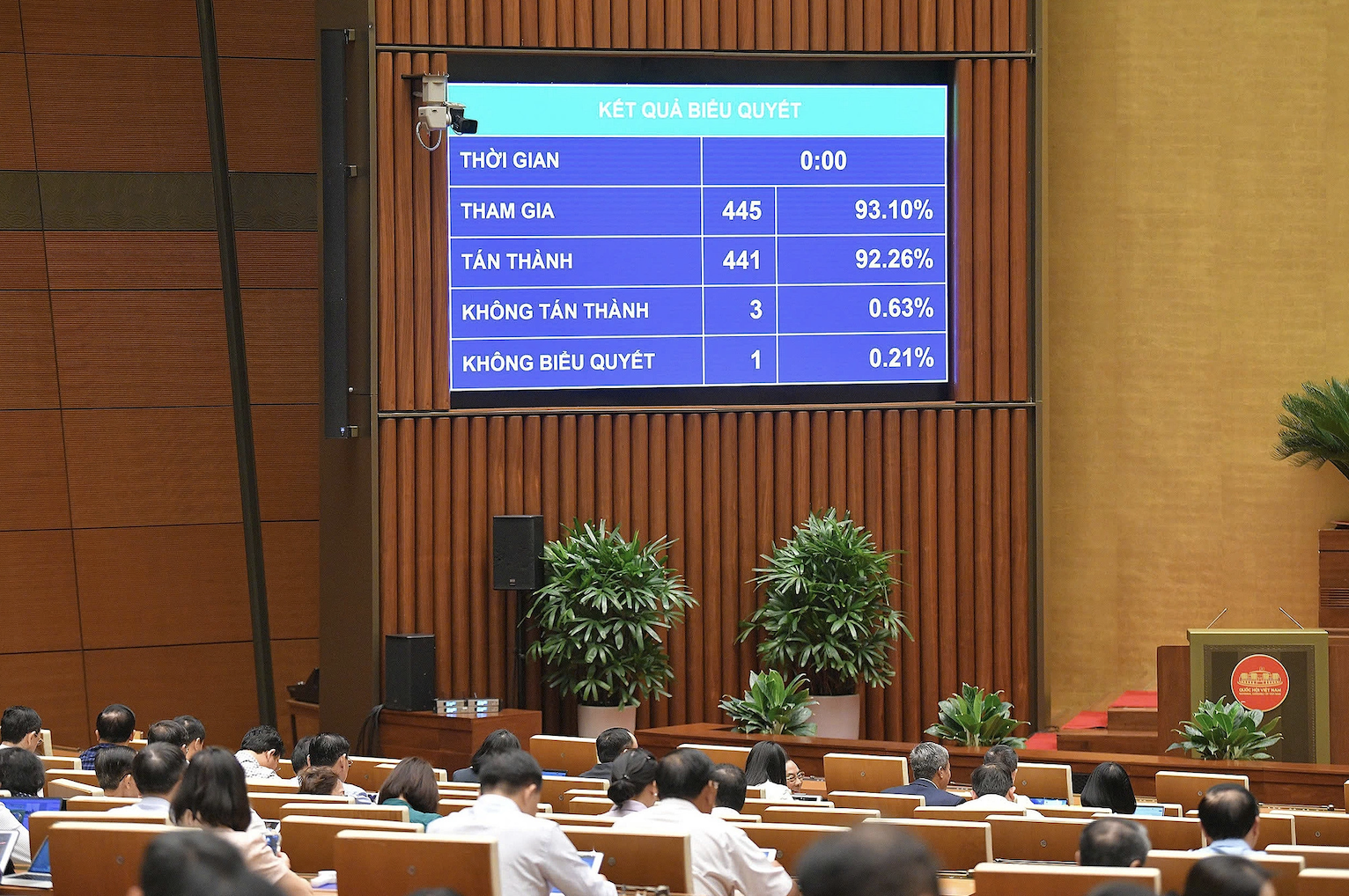
Law No. 69/2025/QH15 on Chemicals was adopted by the National Assembly on June 14, 2025, and took effect on January 1, 2026, establishing a new legal framework for chemical management in Vietnam. The Law adopts a lifecycle-based approach to chemical management, covering activities from production, trading, import and export to transportation, storage, use and waste treatment. An important feature of the new Law is the classification of chemicals into different management categories, including prohibited chemicals, specially controlled chemicals, and chemicals subject to conditional production and trading requirements. For industries using chrysotile, these provisions provide a legal framework for managing the import, trading and use of chrysotile in accordance with applicable requirements.
Decree No. 24/2026/NĐ-CP, issued on January 17, 2026, provides the lists of chemicals falling within the scope of the Law on Chemicals. For businesses producing fibre-cement roofing sheets using chrysotile, compliance with the relevant chemical-management requirements needs to be implemented alongside occupational safety, environmental protection and product-quality requirements. The new regulatory framework places greater emphasis not only on the chemical itself but also on the management of chemical-related activities throughout the supply chain. This approach is intended to improve transparency, strengthen risk management and reduce potential impacts on human health and the environment.
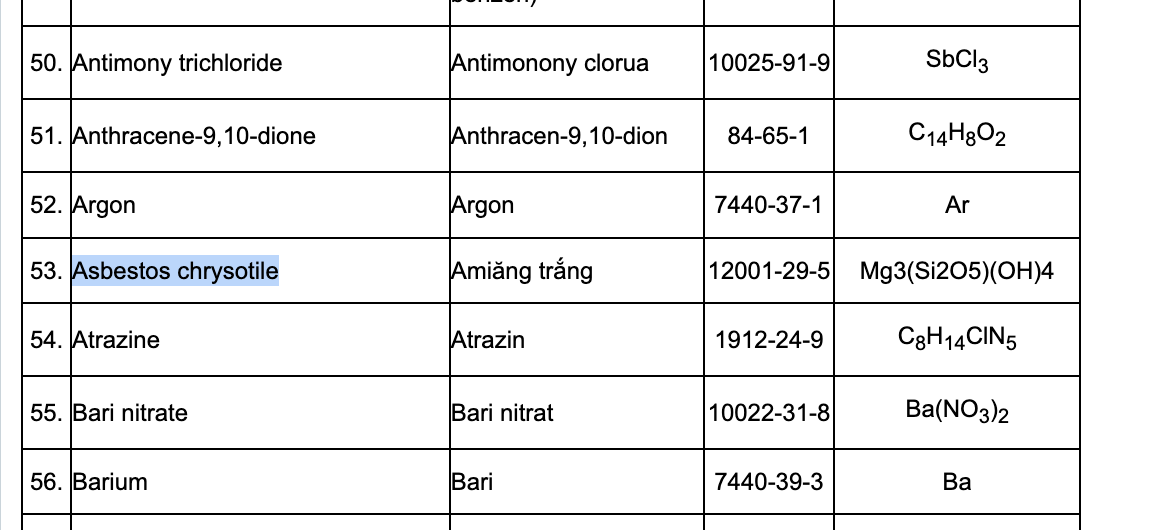
The new Law also introduces requirements concerning hazardous chemicals in products and goods, including information and management requirements in cases falling within its scope. For the fibre-cement roofing industry, this means that manufacturers need to continue monitoring and updating relevant regulations governing raw materials, production processes and finished products. Compliance with these requirements will be increasingly important as Vietnam continues to develop and refine its chemical-management framework. It is also important to distinguish between chemical management requirements and a prohibition on the use of a particular substance: inclusion of a chemical within a regulatory list does not, by itself, mean that the substance is prohibited. The applicable legal status and requirements must be determined based on the specific list and provisions in force.
For fibre-cement roofing sheet manufacturers, investment in production technology, workplace environmental monitoring, fibre-dust control and improved occupational safety therefore remains an important part of regulatory compliance. Regular monitoring of workplace conditions can provide manufacturers with data to assess and improve their production environment. At the same time, continued compliance with chemical, environmental and occupational-safety regulations can contribute to a more controlled and sustainable production process. Vietnam’s new chemical-management framework thus provides an important basis for manufacturers to strengthen responsible management of raw materials and workplace safety while continuing to meet applicable legal requirements.