




Thailand is one of the notable markets in Southeast Asia for the use of white asbestos (chrysotile) in the construction materials industry. Although the government introduced a policy direction to phase out asbestos in 2011, chrysotile is still managed under the country’s legal framework for hazardous substances rather than being subject to a complete ban. This approach focuses on controlling imports, licensing the use of chrysotile, regulating production conditions and protecting workers’ health.
Regulations on Chrysotile Management
Under the Hazardous Substance Act B.E. 2535 (1992), chrysotile is classified as a Type 3 hazardous substance. This classification allows activities such as production, import, export and possession, provided that the relevant requirements and licensing conditions imposed by competent authorities are met. Meanwhile, certain amphibole asbestos types, such as crocidolite, are classified as Type 4 hazardous substances and are prohibited. This classification system provides a legal basis for regulating chrysotile use through licensing and supervision mechanisms.
Thailand has also continued to improve its regulatory framework for hazardous substances. In June 2025, the Ministry of Industry issued Ministerial Regulation No. 5 B.E. 2568, revising provisions concerning the issuance, amendment and renewal of licences for Type 3 hazardous substances. In addition, requirements for dust control, ventilation, personal protective equipment and occupational health monitoring apply to facilities using chrysotile. The occupational exposure limit for asbestos is set at 0.1 fibres/cm³.
The Fibre-Cement Roofing Sheet Market
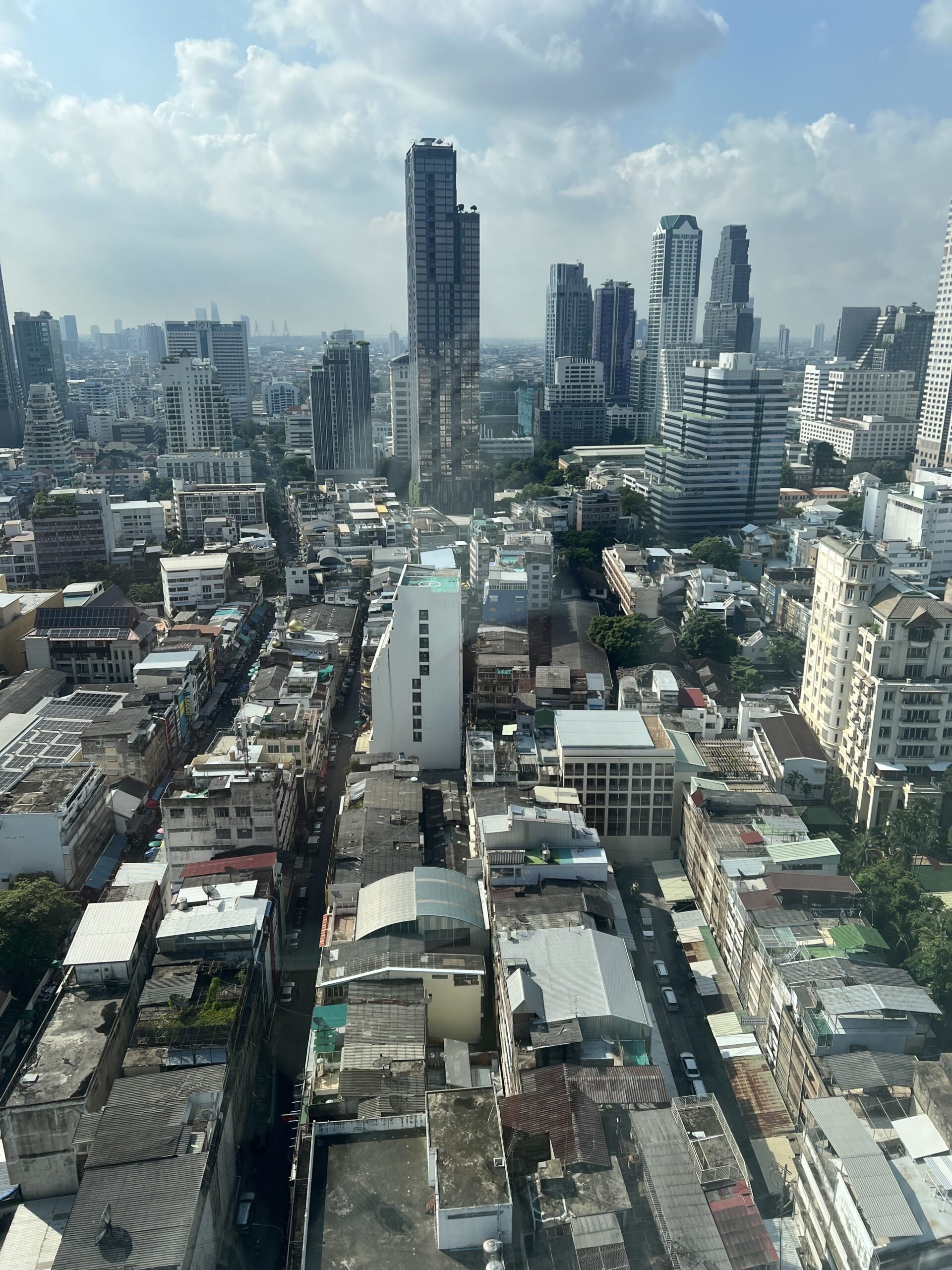
Fibre-cement roofing sheets are among the traditional products of Thailand’s construction materials industry, widely used in residential buildings, factories and agricultural structures. These products offer advantages in terms of affordability, durability and suitability for tropical climatic conditions. The market also features a variety of sizes, profiles and colours to meet the needs of different construction segments.
According to World Integrated Trade Solution (WITS) data, Thailand imported approximately 28,003 tonnes of asbestos in 2024, valued at USD 15.66 million. In 2025, imports increased to approximately 28,371 tonnes, with Russia remaining the country’s primary supplier. These figures indicate that imported raw materials continue to be supplied to industries that use asbestos. However, HS code 2524 covers asbestos in general and does not distinguish chrysotile from other asbestos types.
Notably, Thailand is also a significant exporter of asbestos-cement products. In 2024, exports of asbestos-cement sheets, panels and tiles (HS code 681120) reached approximately USD 186.6 million, with a total volume of nearly 886,500 tonnes. Major export markets included the Philippines, Australia, Myanmar, Vietnam and Laos. This demonstrates that Thailand’s asbestos-cement manufacturing industry serves not only domestic demand but also participates in regional construction materials supply chains.

Market Outlook
Overall, Thailand maintains a conditional regulatory framework for chrysotile through hazardous substance classification, licensing requirements and occupational safety controls. The continued refinement of licensing procedures in 2025 reflects the authorities’ efforts to improve regulatory transparency and supervision.
Meanwhile, the scale of raw material imports and exports of asbestos-cement products indicates that the fibre-cement market continues to play a role in Thailand’s construction materials industry. With an established manufacturing and distribution network, alongside demand for affordable roofing materials, these products remain present in both the domestic market and regional export activities.
Thailand provides an example of maintaining a conditional management framework for chrysotile, combining legal compliance, production safety controls and commercial activities. These factors will remain important in shaping the outlook for the fibre-cement roofing sheet industry in the coming years.